









From Purpose to Projects
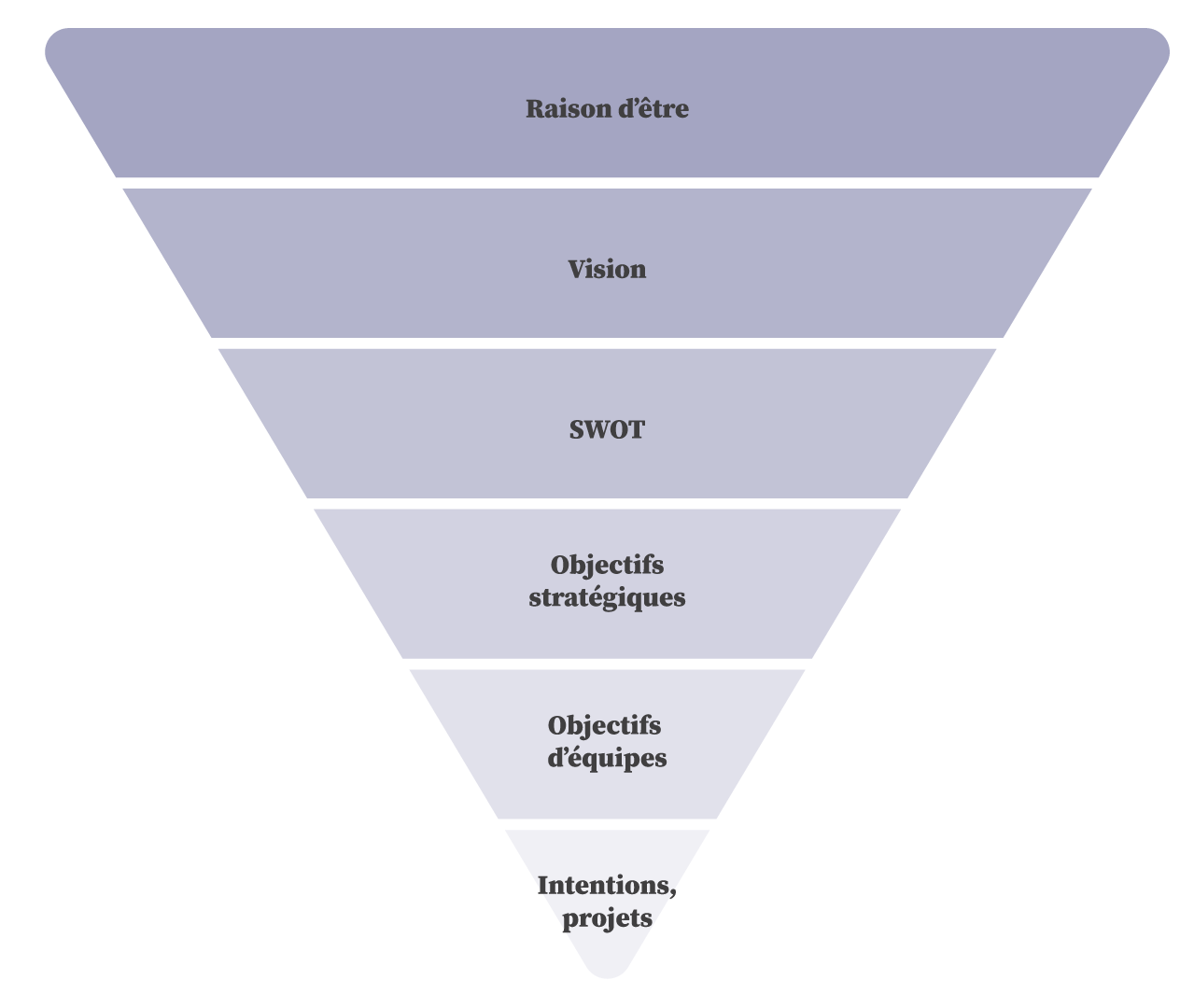
Why does your organization exist, and what vision guides its development? Clarifying these elements is an essential foundation for defining strategic and team objectives, and then deploying aligned and meaningful projects. But how do you go about it? The answer is in this article, which draws on our internal experience.
 Recently, at Loyco, we decided to rethink our purpose to adapt to the evolution of our professions and the economic and societal context. It will come as no surprise that, to do so, we chose a participatory method.
How did we go about it? What process did we follow? Through this article, we share the methodology we tested and are now implementing with our clients as part of our assignments with the Future of Organizations team.
Steering Your Organization with a Clear Direction
For us, everything begins with purpose: it expresses a clear and shared intention, and serves as a compass to guide the organization’s decisions and actions over time.
For it to be meaningful for all employees, it is highly recommended to co-construct it collectively, with a representative group from each team or with all members of the organization.
In 2025, Loyco’s purpose was thus rethought with our 140 employees, based on the Ikigai method, inspired by the Permaentreprise approach. This approach is based on four fundamental questions:
- What we love
- What we are good at
- What the world needs
- What we can be paid for
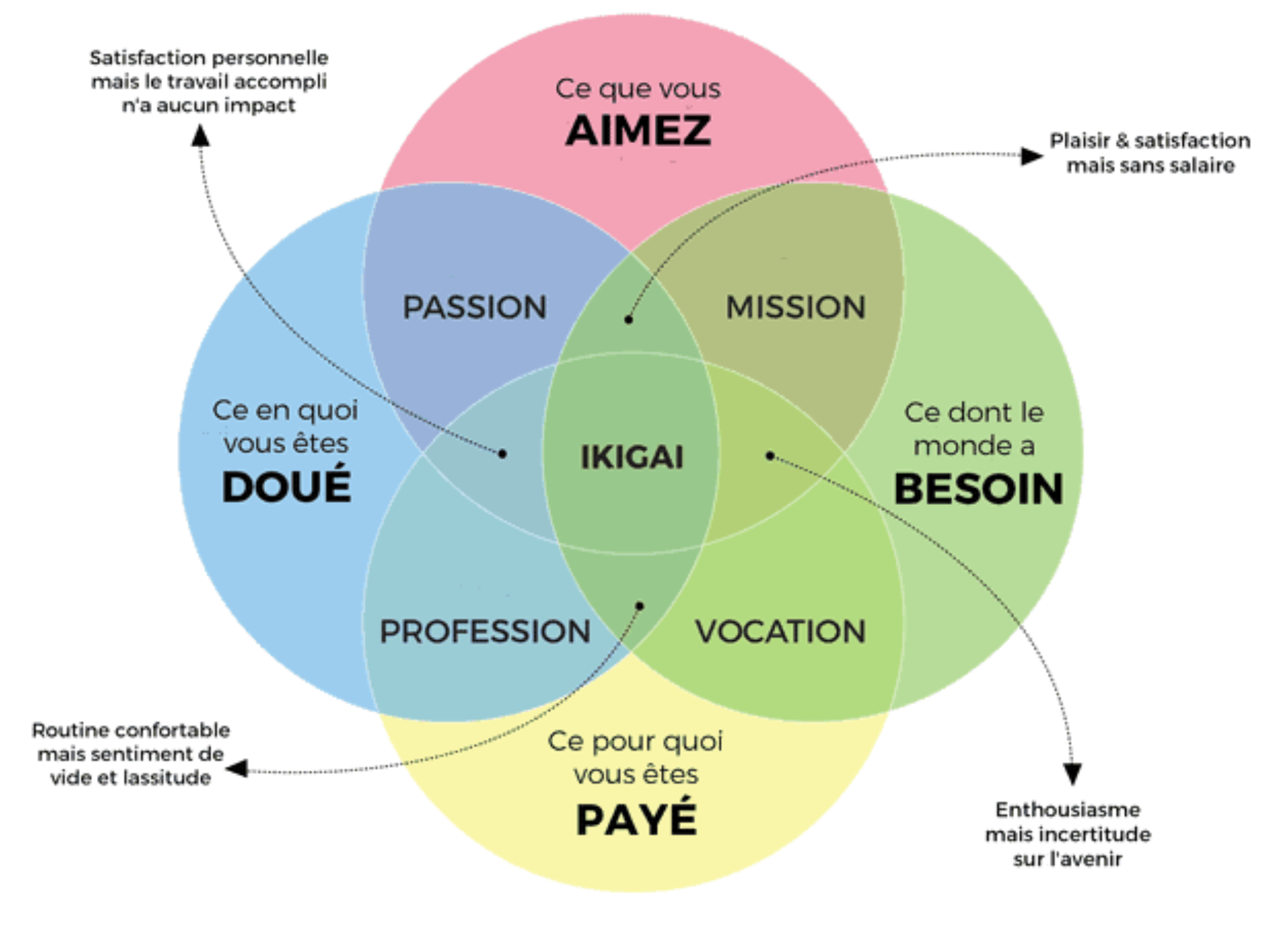
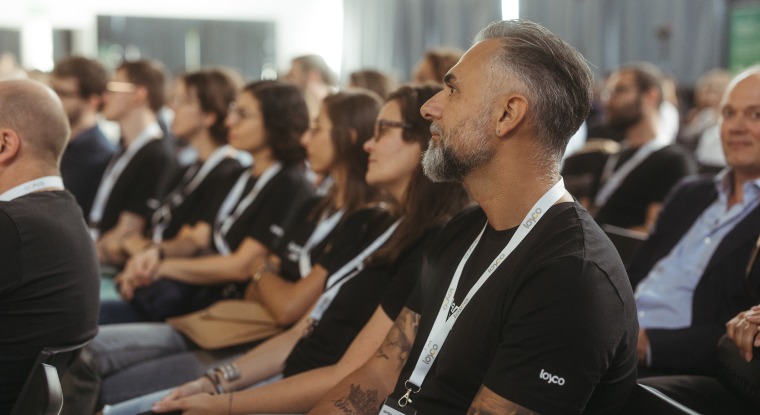
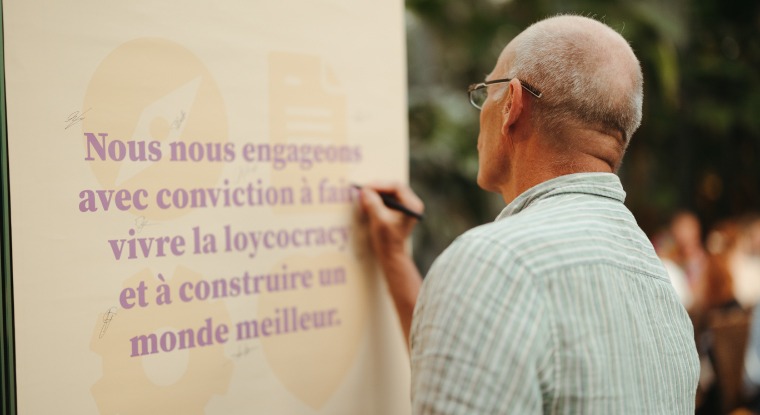
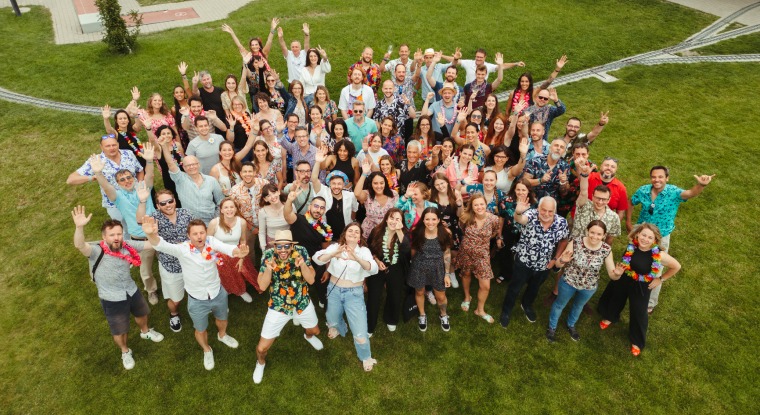
During our annual outing, we collectively reflected on these different elements by listing them. A working group then consolidated them. Subsequently, team coordinators proposed three formulations of purpose, which were submitted for a consultative vote to all Loycomates. The marketing team, in collaboration with the culture team, then refined these elements to formulate a definitive purpose, which is as follows:
Our Purpose
To inspire and support organizations to boost their resilience and build the sustainable economy of tomorrow.
The Vision: The Direction We Set for Ourselves
The vision translates the purpose into a concrete projection. It formalizes the organization’s ambition by answering the following question: what do we want to look like tomorrow to fully embody our purpose? At Loyco, this work was carried out collaboratively between coordination roles, the culture team, and the marketing team, to define a common and unifying vision...
Assessing Your Chances of Success
Once the purpose and vision are clarified, we believe it is essential to take a step back to assess the real chances of success through a SWOT analysis (Strengths, Weaknesses, Opportunities, Threats). Although widely known, it remains a key tool in the methodology we propose. Used at this stage, it helps identify what, both internally and externally, can support or, conversely, hinder the embodiment of the purpose and the realization of the vision.
This step is enriched by a risk management approach, integrated as a strategic lever, to link identified operational risks with strategic risks, and to identify potential points of tension that could influence the realization of the vision.
Defining Strategic and Team Objectives
Based on these elements, the organization is able to translate its vision into concrete and actionable objectives.
Since 2025, we have notably implemented strategic cockpits within all Loyco teams to progress towards our vision through our strategic pillars: sustainability, innovation, and finance. These pillars enable clear choices, focus efforts on what truly matters, and provide a framework for future decisions.
The purpose of these cockpits is to monitor major projects aimed at achieving Loyco’s strategic objectives and to facilitate discussion around strategic issues.
How does a cockpit session unfold?
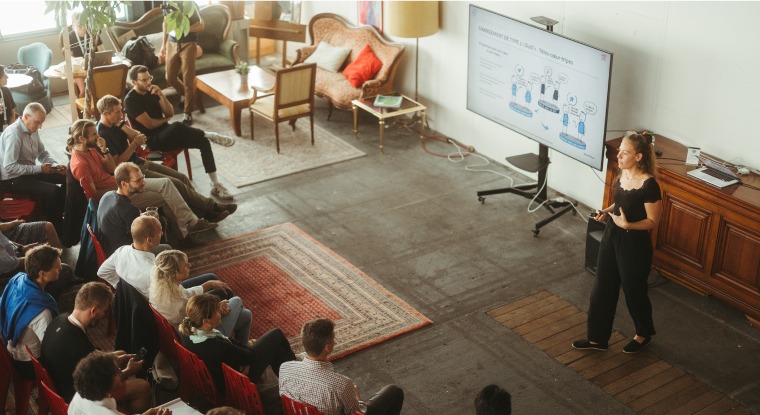
They are organized by the team’s coordination role, between 10 and 12 times a year. “Business model coach” roles have also been introduced to stimulate teams. The various managers define indicators linked to Loyco’s ambitions in terms of business evolution, innovation, profitability, and social and environmental impact.
What about you?
Does your organisation today have a clear direction—shared and embodied right through to its projects?
Our “Future of Organizations” team regularly assists organizations with these questions and is available to discuss them.
Marie Blaser
Head of Sustainability